Iveragh's Blue Dots


When properly protected, Blue Dots are the best of the best in natural waterbodies, retaining a form and function that is minimally impacted by human activity. They have, or are capable of having, the highest possible water quality status and they play host to some of our rarest and most iconic species. These include fish such as salmon, trout, Arctic char, European eel and Lamprey as well as internationally important populations of the freshwater pearl mussel and a host of other sensitive and threatened flora and fauna.

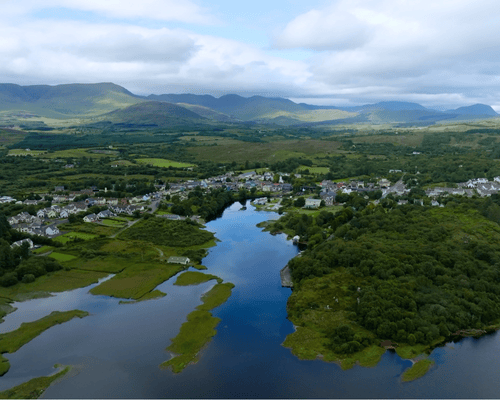
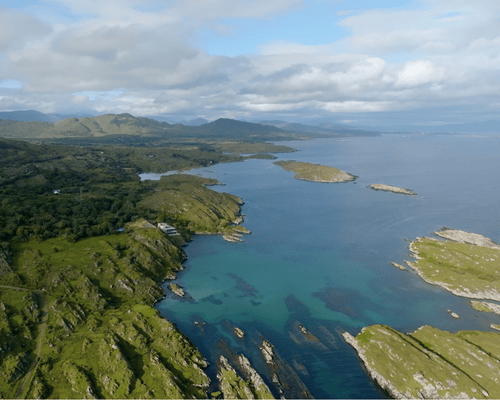
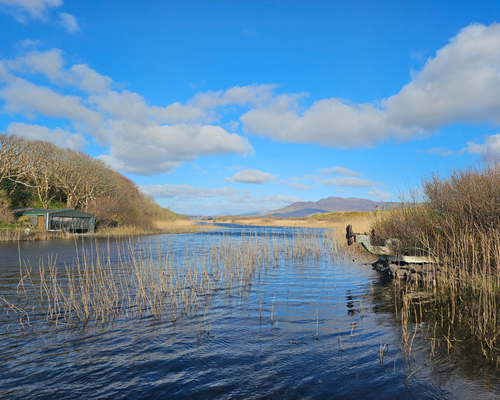
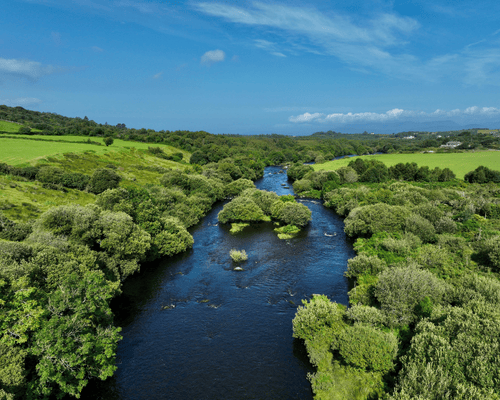
The Iveragh Peninsula of South Kerry is unique in Ireland for the density and variety of its Blue Dot waterbodies, with Blue Dot categorisation given to:

  • 27 river waterbodies,
  • 6 lakes,
  • 3 coastal waters
  • and 1 transitional water body

Cultivating awareness of, and engagement with, these special places and the ecosystems they support is of vital importance in securing their future.

It can have many benefits for society including for health and wellbeing, community engagement and cohesion, climate resilience, drinking water protection, aquaculture and fisheries as well as co-benefits for other ecosystems and species in the catchments.

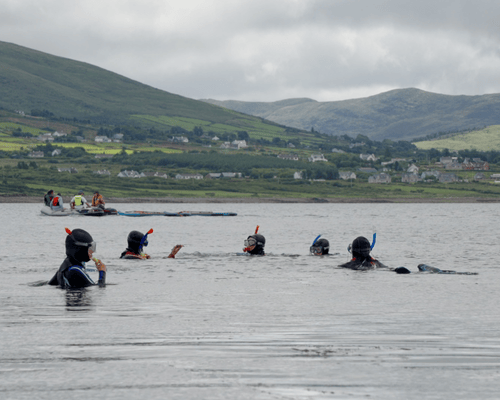
Encouraging community engagement and grassroots actions for water quality is a key part of LAWPRO’s work. Across the country we engage with many types of community groups on a huge diversity of projects. As part of the Blue Dots of Iveragh project, we hope to bring together different groups and facets of the community to celebrate and appreciate the wealth of Blue Dots found in this very special place.

Learn more about Blue Dots

Launch Event


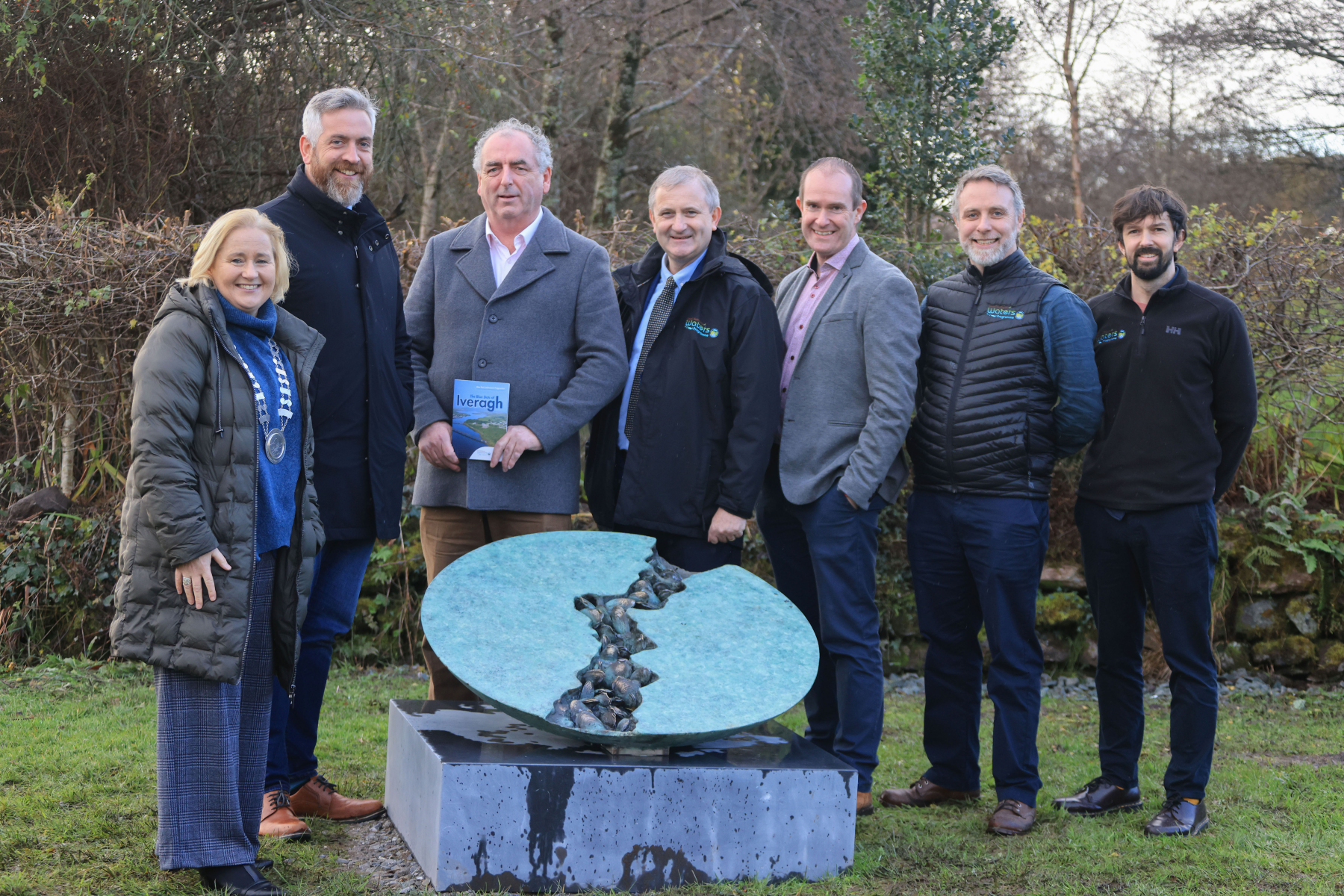
LAWPRO invited the Minister of State for Nature, Heritage and Biodiversity at the Department of Housing, Local Government and Heritage Christopher O’Sullivan, TD, to launch the Blue Dots of Iveragh awareness campaign on Saturday 29th November in Sneem.

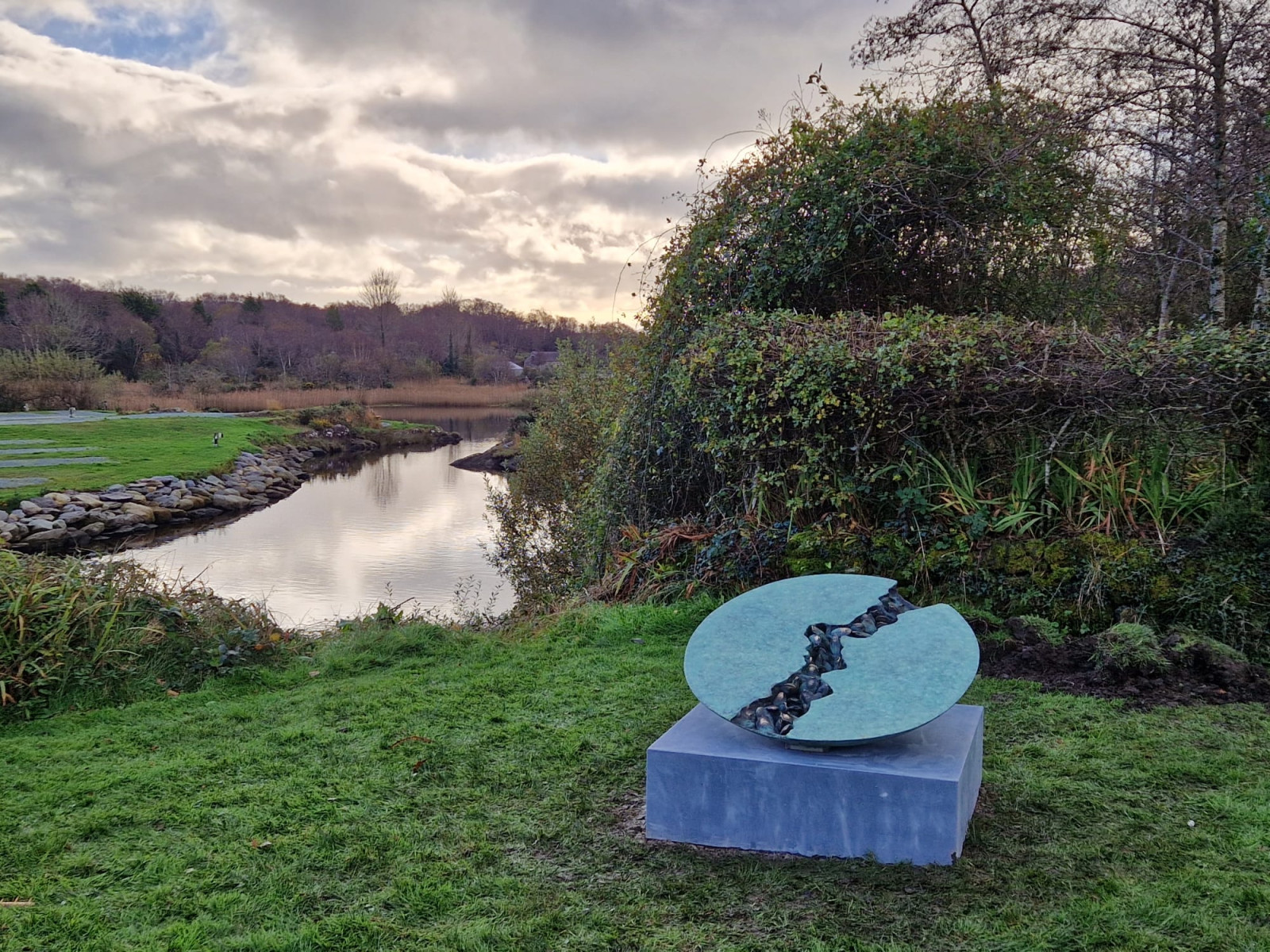
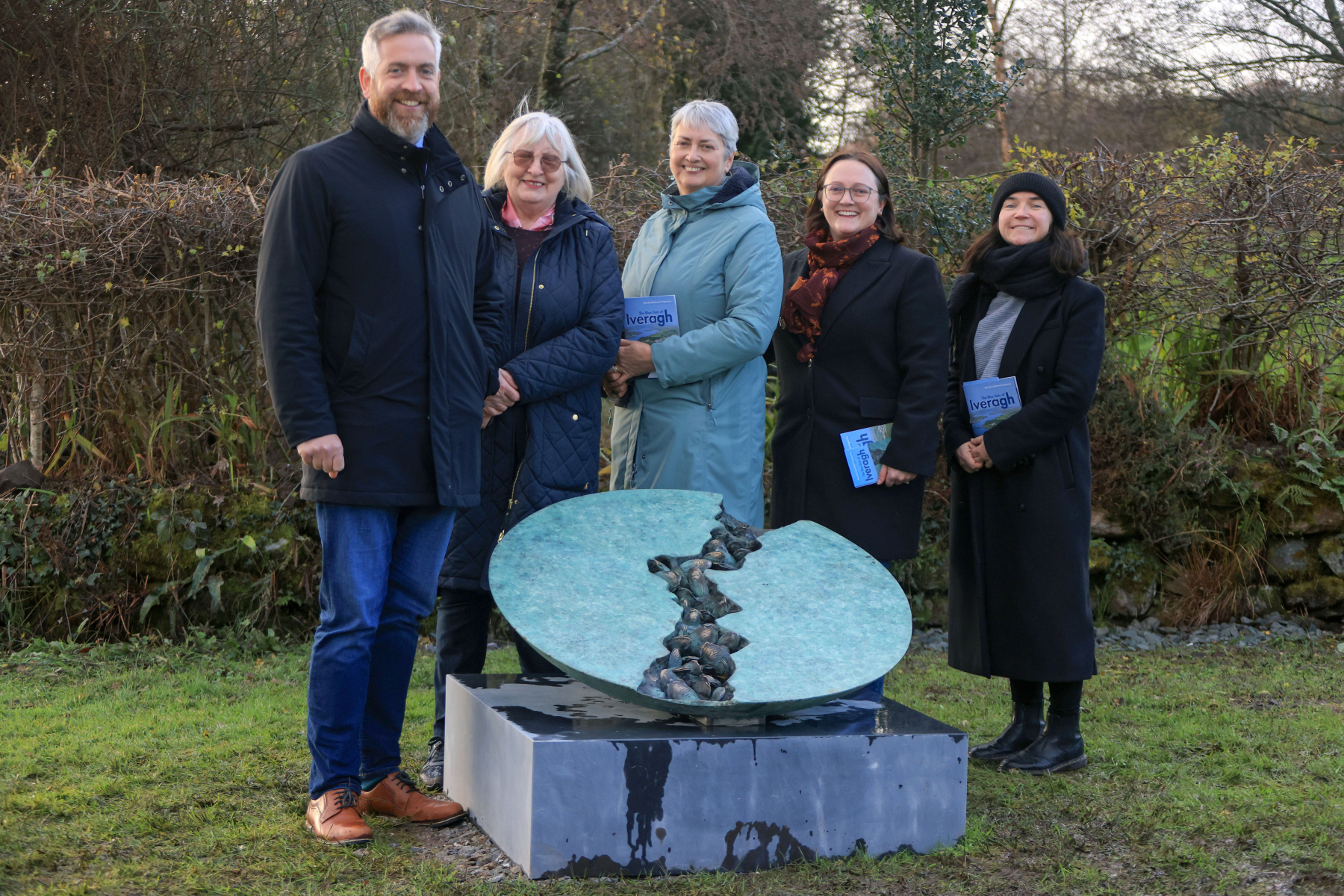
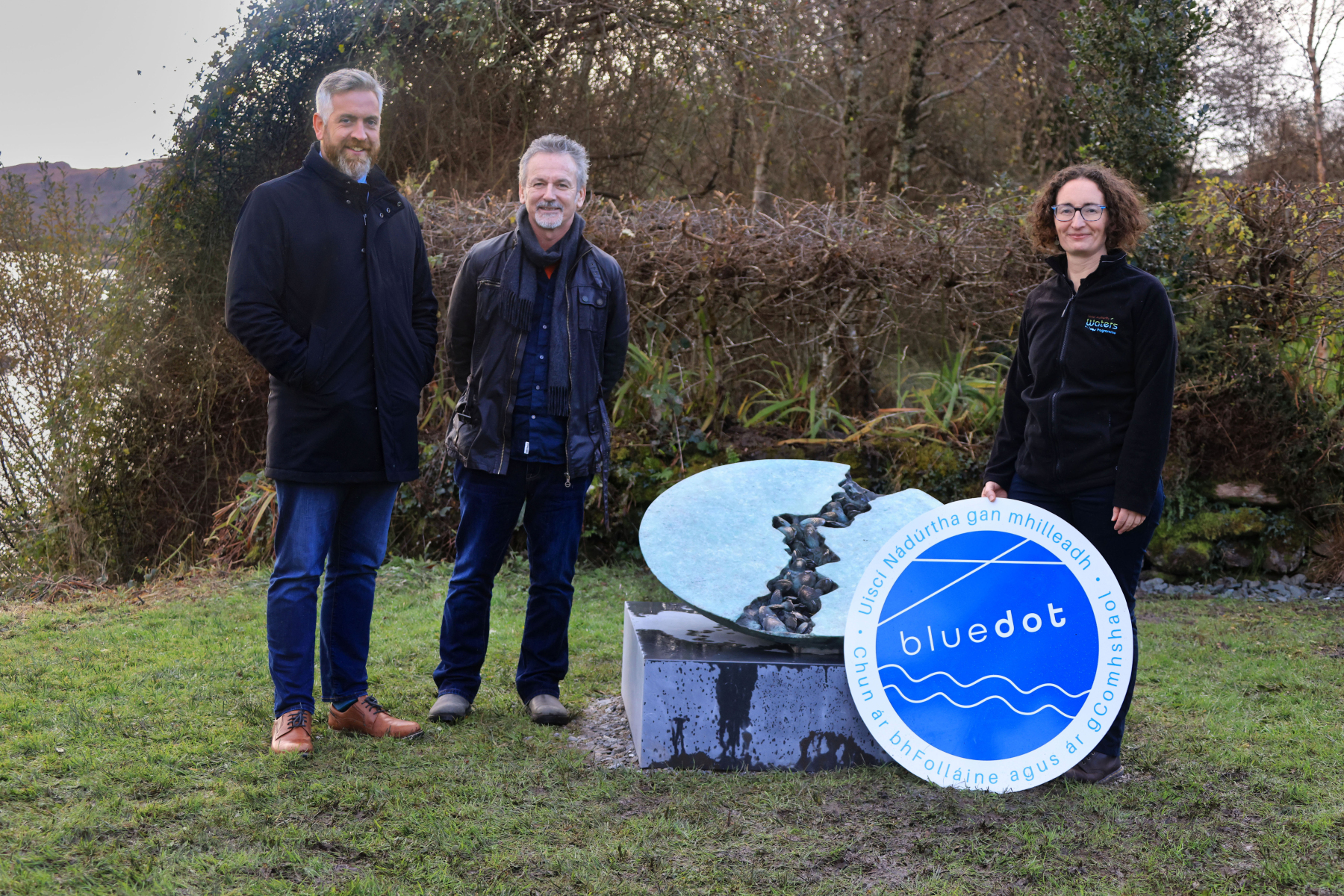
Minister O’Sullivan unveiled a LAWPRO-commissioned sculpture called ‘Freshwater Pearl Mussel in bronze’ by artist Don Cronin. The artwork recognises the importance of the freshwater pearl mussel to the health of the natural waters in the area and will stand as a lasting monument that raises awareness of the Blue Dots in Iveragh and beyond.

Following the unveiling, LAWPRO hosted a screening of a new documentary made in collaboration with Kerry County Council and CrowCrag Productions, called ‘The Blue Dot Waters of the Iveragh Peninsula’.


Find out more
From Left to Right: Barry Deane, LAWPRO South West Regional Co-Ordinator, Cllr. Tommy Cahill, Bláthnaid O'Loughlin LAWPRO Community Water Officer for Kerry, Cllr. Teddy O'Sullivan Casey, Deputy Michael Cahill TD, Minister Christopher O'Sullivan, Cllr. Norma Moriarty, Anthony Colman, LAWPRO Director of Services, Paul O'Callaghan, Blue Dot Catchments Programme Lead.

Documentary: The Blue Dot Waters of the Iveragh Peninsula


Watch our short documentary ‘The Blue Dot Waters of the Iveragh Peninsula’. Made in collaboration with Kerry County Council and CrowCrag Productions, the film is a stunning visual journey through the pristine rivers, lakes, and coastal waters of the peninsula. Narrated by renowned ecologist and broadcaster Anja Murray, it explores the deep connection between local communities and their environment, recognising their passion for the protection and restoration of their Blue Dot waterbodies.

Map of the Blue Dots of Iveragh


Watch: The People of Iveragh


Learn about Blue Dots with scientist Ed Cox


Profile: River Blackwater


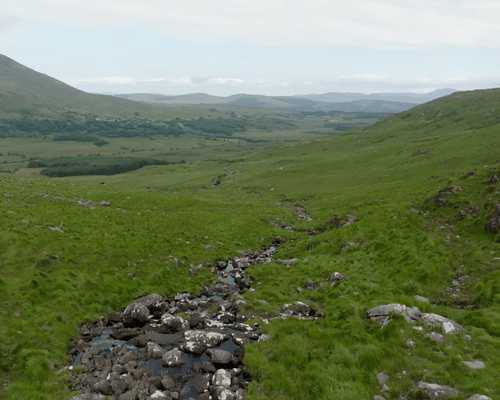
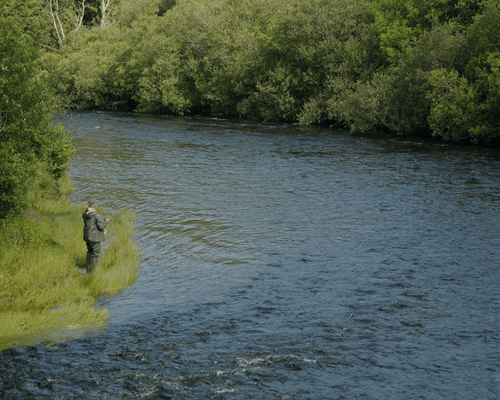
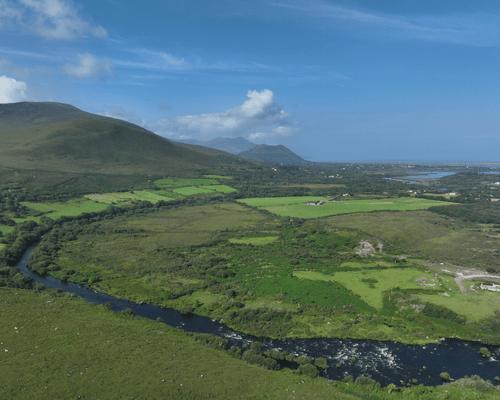
This important Blue Dot river system is situated on the south-western slopes of the Macgillycuddy’s Reeks mountains overlooking Kenmare Bay. It is a Special Area of Conservation designated for the protection of the freshwater pearl mussel.

The freshwater pearl mussel (Margaritifera margaritifera) is a large filter-feeding bivalve, and healthy populations are found in near-pristine freshwater habitats. They are Ireland’s longest living animal, living for up to 140 years and adults can reach lengths of 12-15cm. European freshwater pearl mussel populations have declined by 90% over the past century. The Blackwater is one of the ‘Top 8 catchments’ which together contain 80% of the total Irish population.

Freshwater pearl mussel populations are in decline due to the low level of survival of juvenile mussels. Juveniles are extremely sensitive to small changes in environmental conditions, in particular the smothering effect of fine sediment which can lead to nearly 100% mortality of young mussels. This is leading to an ageing population, not capable of replenishing itself.

Human activities that cause changes to the natural shape and flow of the river or result in increased siltation or nutrient runoff are contributing to the decline of the freshwater pearl mussel.

The Pearl Mussel Project (2018-2023) worked with local farmers in the area to develop farming practices to protect the pearl mussel. For example, fencing and providing drinking infrastructure to exclude livestock from watercourses and prevent poaching erosion, as well as partially blocking drains to reduce silt runoff.

Profile: Lough Currane


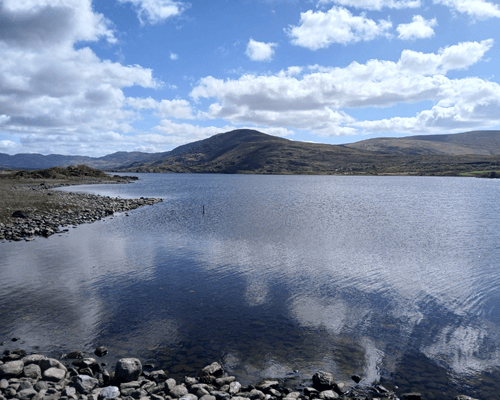
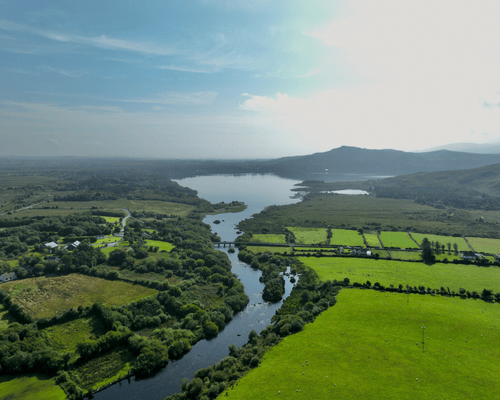
Lough Currane, located in the south-west corner of Co. Kerry is a large Blue Dot lake. The catchment includes the Blue Dot rivers Cummeragh and the Isknagahiny Lough Stream_010, locally known as the Capal river. Lough Currane and its surrounds is an area of outstanding natural beauty.

It is of particular importance for its fish populations. Good trout populations and strong runs of salmon and sea trout are a feature of the catchment.

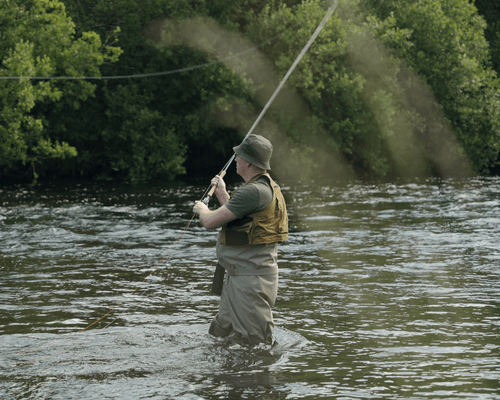
The lake and its feeder rivers and streams have long been renowned for the quality and consistency of fish they provide and a strong tourism industry based on angling has built up over the years. Many anglers return year-after-year to fish the lakes under the guidance of local ghillies (boat operators). Salmon and brown trout fishing are strong but the area is particularly well-known for seatrout. The Currane seatrout is genetically distinct from other Irish populations. They are considered to be large, fast-growing and long-lived and have a high level of repeat spawners.

As is the case in lakes and rivers across Ireland, Lough Currane’s fish populations have seen large declines in recent years. The sea trout runs are particularly effected and the numbers of fish returning from the sea has decreased precipitously. The reasons for the population collapse are complex and not fully understood but relate to poor survival rates at sea for all salmonids and to local pressures due to disease burdens from offshore salmon farms. In 2019 a “Catch and Release” order was implemented in the fishery which remains in place. Inland Fisheries Ireland are also conducting a research project to assess the causes of decline and recommend rehabilitation measures.

Profile: Portmagee Channel and Valencia Harbour


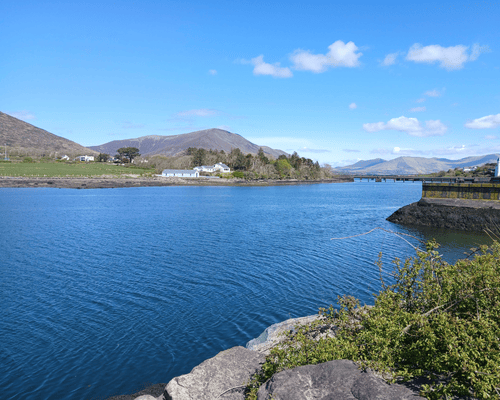
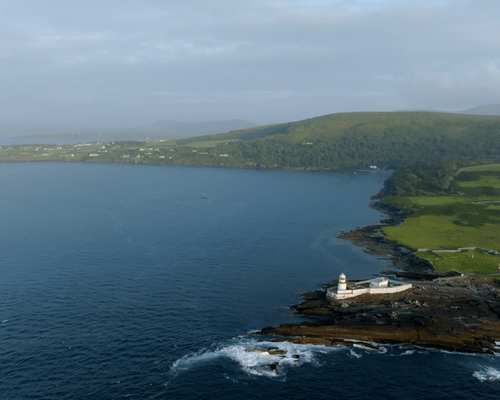
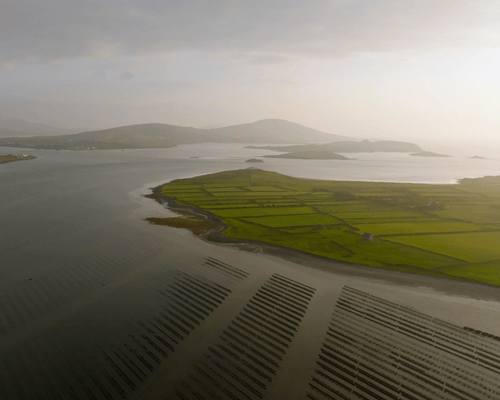
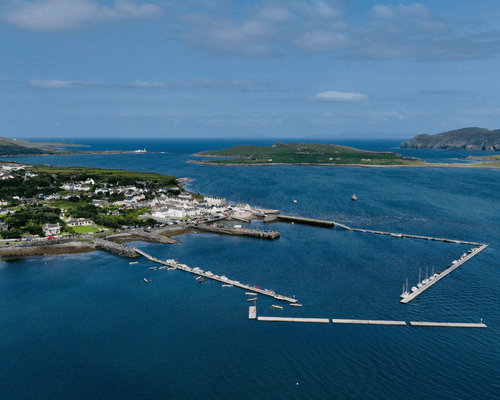
Valencia Harbour and the Portmagee Channel are two interlinked coastal Blue Dot water bodies. They form a navigable channel around the island and a sheltered, scenic natural harbour and together they make up the Valencia Harbour and Portmagee Channel Special Area of Conservation, designated for important examples of three marine habitats: Tidal Mudflats and Sandflats, Large Shallow Inlets, and Bays and Reefs.

The coastal area is extremely diverse and supports a large range of different habitat types including seagrass beds, kelp forests and intertidal mudflats as well as many breeding sea birds such as puffins, gannets, guillemots, razorbills and shearwaters. Maerl coral beds formed by slow-growing, calcareous red algae provide habitat for a myriad species including as nursery grounds for fish and molluscs. Shallow muddy bays provide the only known site of the rare burrowing anenome Edwardsia delapiae – named after renowned local marine biologist Maude Delap (1866 -1953).

Booklet: The Blue Dots of Iveragh


As part of the Blue Dots of Iveragh awareness project, we have published an informative booklet profiling a wide selection of the rivers, lakes and coastal waters found in the Iveragh Peninsula.  

Acknowledgments:

Kerry County Council

Waters of LIFE Integrated Project

National Parks and Wildlife Service (NPWS)

South Kerry Development Partnership

All contributors to this publication


Photography by:

Peter Cutler, CrowCrag Productions

Paul O’Callaghan, LAWPRO

Bláthnaid O’Loughlin, LAWPRO

Anna Kellagher and Daisy Brooks, SeaSynergy

Dr. Jan-Robert Baars

Linda Lyne

Read the booklet

Project Partners


The Blue Dots of Iveragh was made with support from the Department of Housing, Local Government and Heritage, Kerry County Council, Waters of LIFE Integrated Project (IP) and the EU LIFE Programme

We would also like to thank ACRES Kerry West Cork Co-operation Project, National Parks and Wildlife Service and Inland Fisheries Ireland for their contributions.