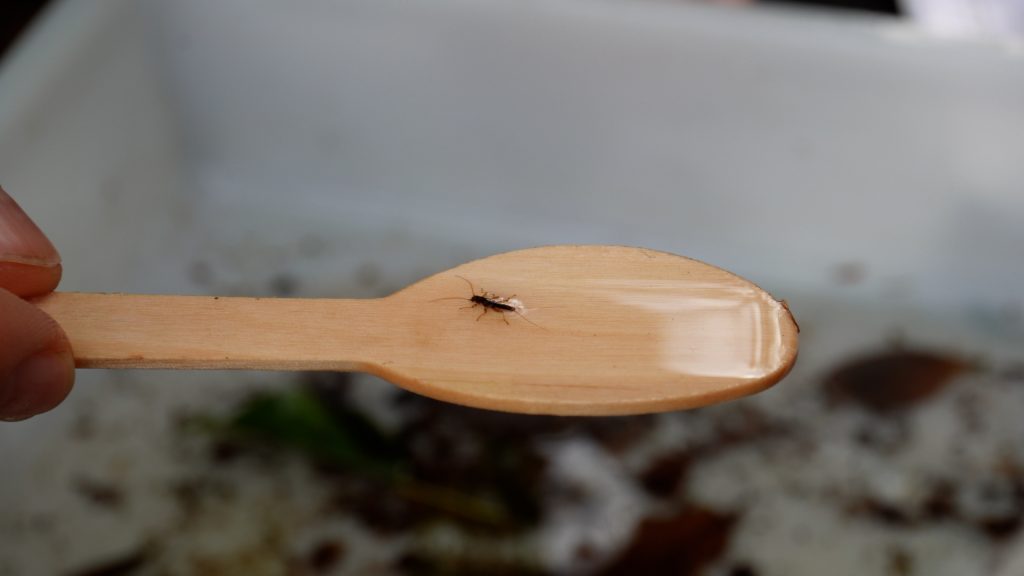
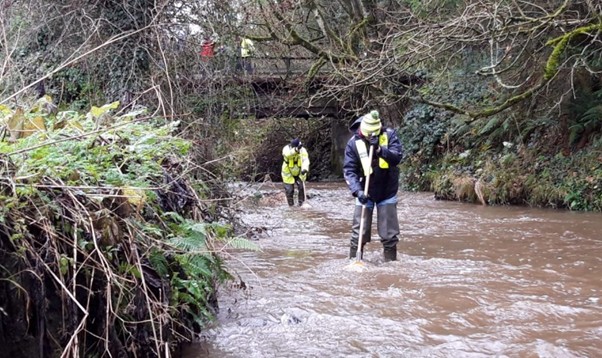
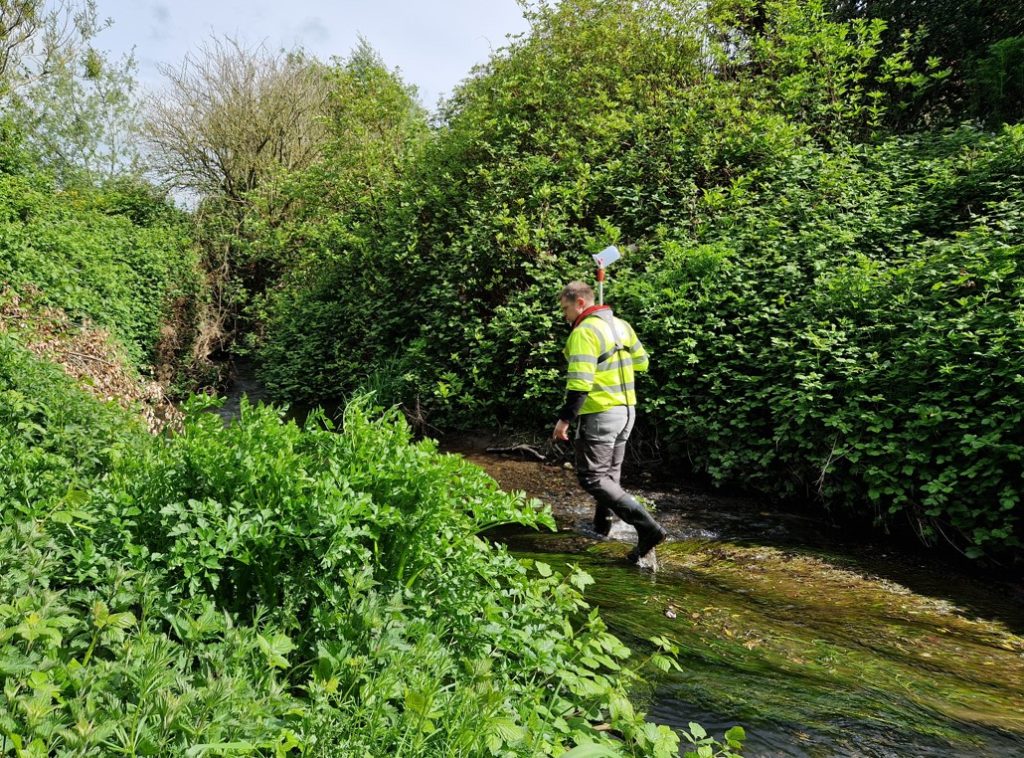
Our Catchment Science team is responsible for gathering and sharing information about water quality through the characterisation of waterbodies in Priority Areas for Action. This establishes the scientific evidence that enables implementing bodies to target activities which restore and protect our natural waters.
LAWPRO works with implementing bodies and stakeholders to implement appropriate mitigation measures or protection plans in Areas for Action.
Our role is to undertake scientific assessments in Priority Areas for Action across the country. These Priority Areas for Action were selected because the waterbodies in these areas were ‘At Risk’ of not meeting their water quality objectives in the EU Water Framework Directive. This targeted approach aims to restore water quality in these ‘At Risk’ waterbodies and help to ensure Ireland’s compliance with the Water Framework Directive.
Our work often involves the identification of highly complex issues across a range of areas, which can affect water quality. Referrals on the issues found are then made to the relevant bodies, depending on the issue identified.
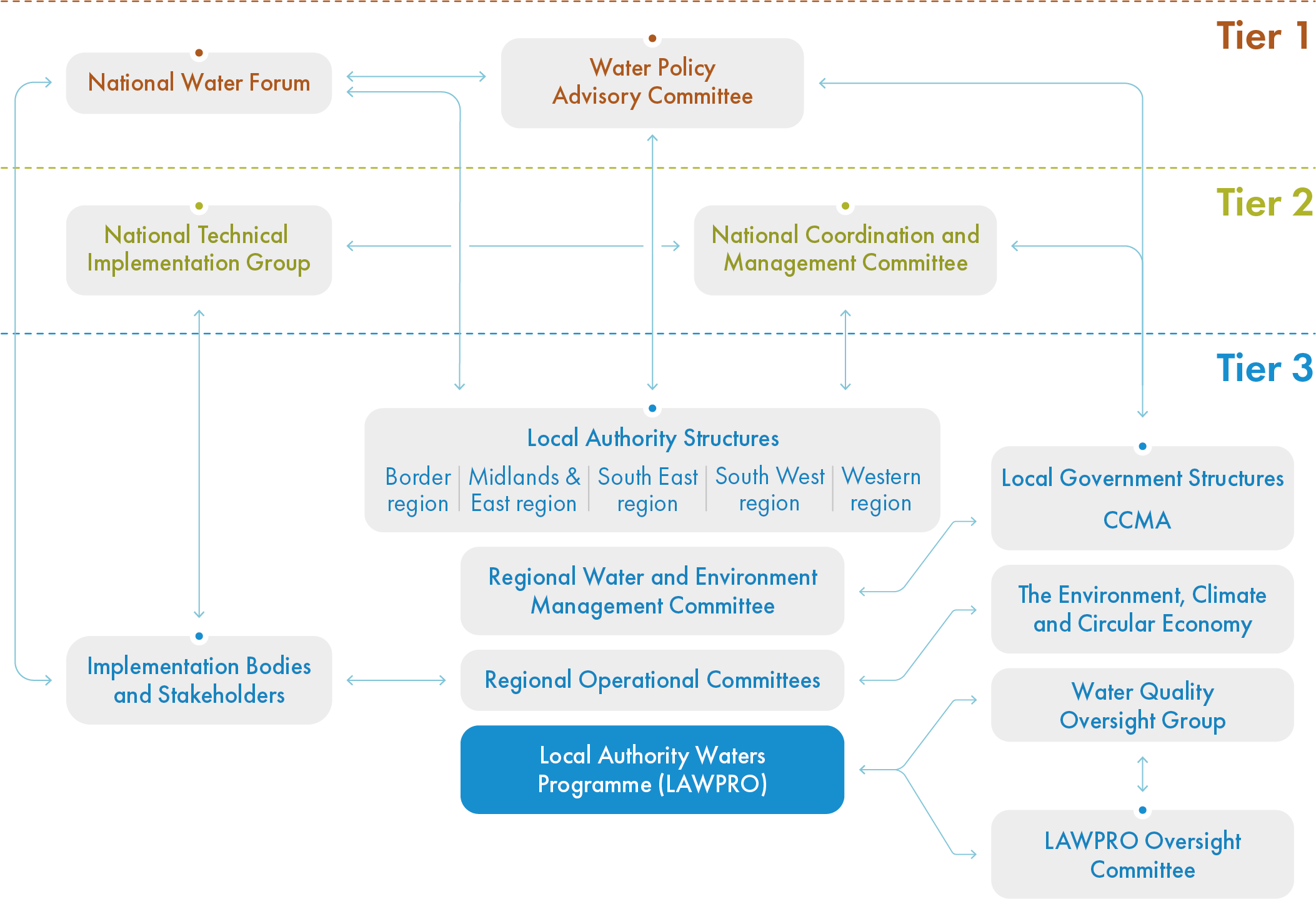
Relationship between the three tiers outlined in the Water Action Plan 2024
Progress updates, case study presentations, update on referrals, progress reports from the Agricultural Sustainability Support and Advisory Programme (ASSAP), collaborative projects with others are provided to the five Regional Operational Committees and discussed at the associated Regional Water and Environmental Management Committees. This promotes collaboration amongst the respective local authorities and other stakeholders and implementing bodies.
Where potential measures are not readily available to allow solutions to be put in place by the implementing body or landowner, the Water Framework Directive three-tiered governance structures is used.
This allows these issues to be progressed to the National Technical Implementation Group for further consideration. From here, matters can be escalated to the Water Policy Advisory Committee where they can help inform revisions to national policy and legislation and ensure the evidence-based science is widely shared.
This collaborative approach relies on the continued efforts of local authorities and various other national and regional stakeholders and agencies.
Our catchment work
LAWPRO’s catchment scientists work in areas that are listed in the River Basin Management Plan as Prioritised Areas for Action because of deteriorated water quality.
Local catchment assessment is the process we undertake in these areas to understand why water quality has deteriorated and what needs to be done to improve it.
Find out more about our step-by-step approach to carrying out local catchment assessments in catchments across Ireland.
LAWPRO catchment scientists work in specific catchment areas called Priority Areas for Action. The EPA has identified priority catchments or ‘areas for action’ across the country where the status of the water is at risk of falling.
The process to select the Priority Areas for Action used several principles. The most important one was that water bodies should be ‘At Risk’ of not achieving good or high water quality. It means that we are working in areas where water quality improvements need to be made.
Agricultural Sustainability Support and Advisory Programme (ASSAP)
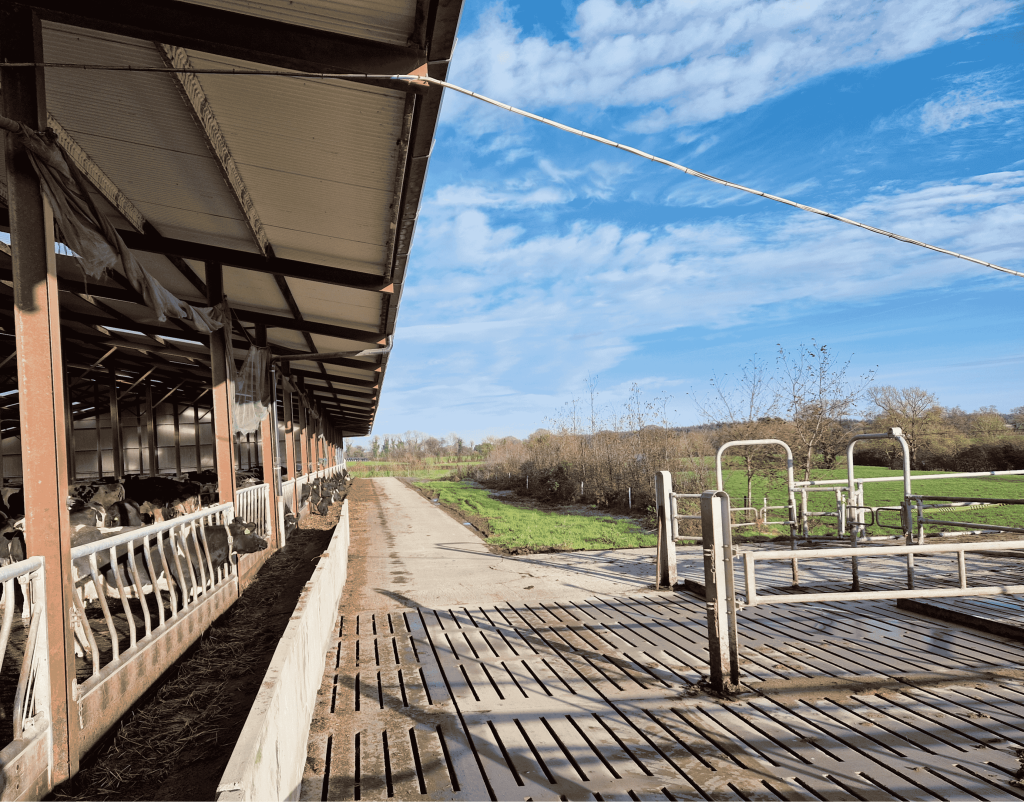
A collaborative initiative between government and industry, called the Agricultural Sustainability, Support and Advisory Programme (ASSAP), has been put in place to support the implementation of best agricultural practice at farm level in the Priority Areas for Action and to help address agricultural pressures on water quality.
When LAWPRO’s catchment scientists complete local catchment assessments in Priority Areas for Action, these are shared with ASSAP to assist with the implementation of targeted measures on agricultural lands.
ASSAP is jointly funded by the Department of Agriculture, Food and the Marine, the Department of Housing, Local Government and Heritage and the dairy industry. Its advisory services are provided jointly by Teagasc and the Dairy Processing Co-ops.
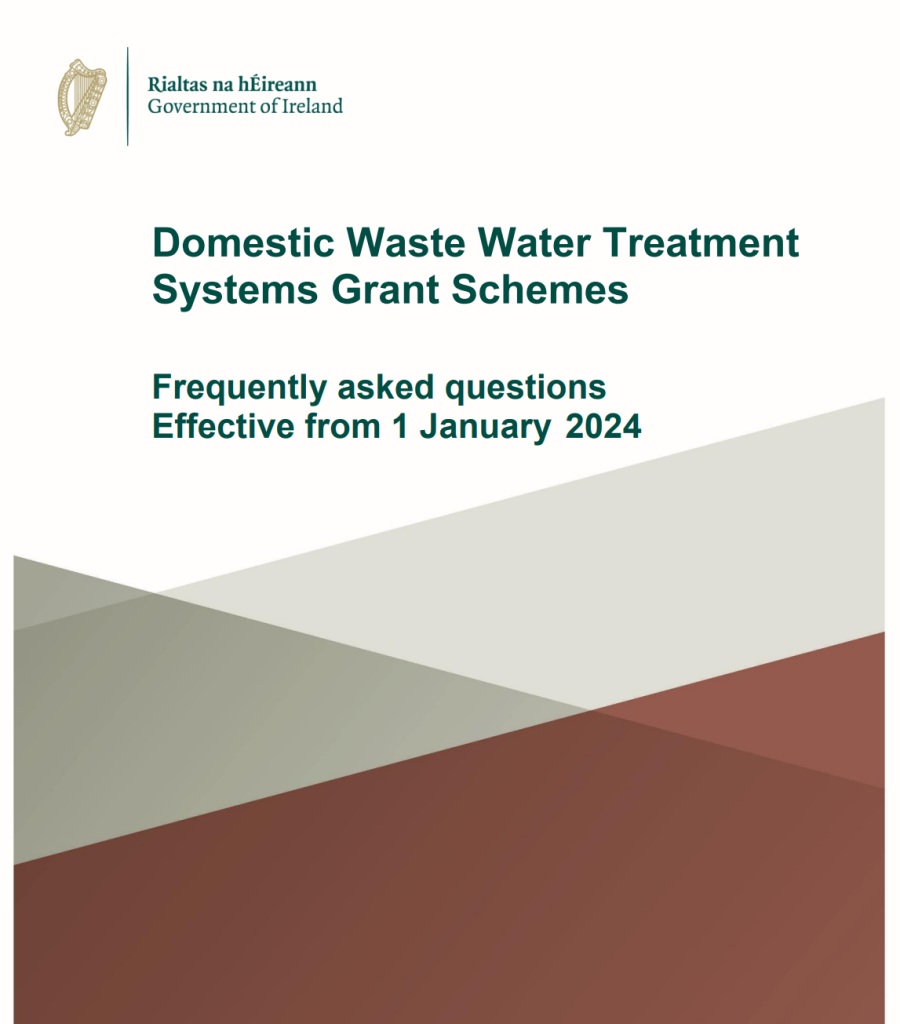
Around 500,000 households, in Ireland, own a domestic wastewater system (DWWTS) these include septic tanks and packaged systems. About 137,000 of these, also have a private well for drinking water.
Find out more information about the grants scheme for faulty septic tank systems provided by the Department of Housing, Local Government and Heritage.
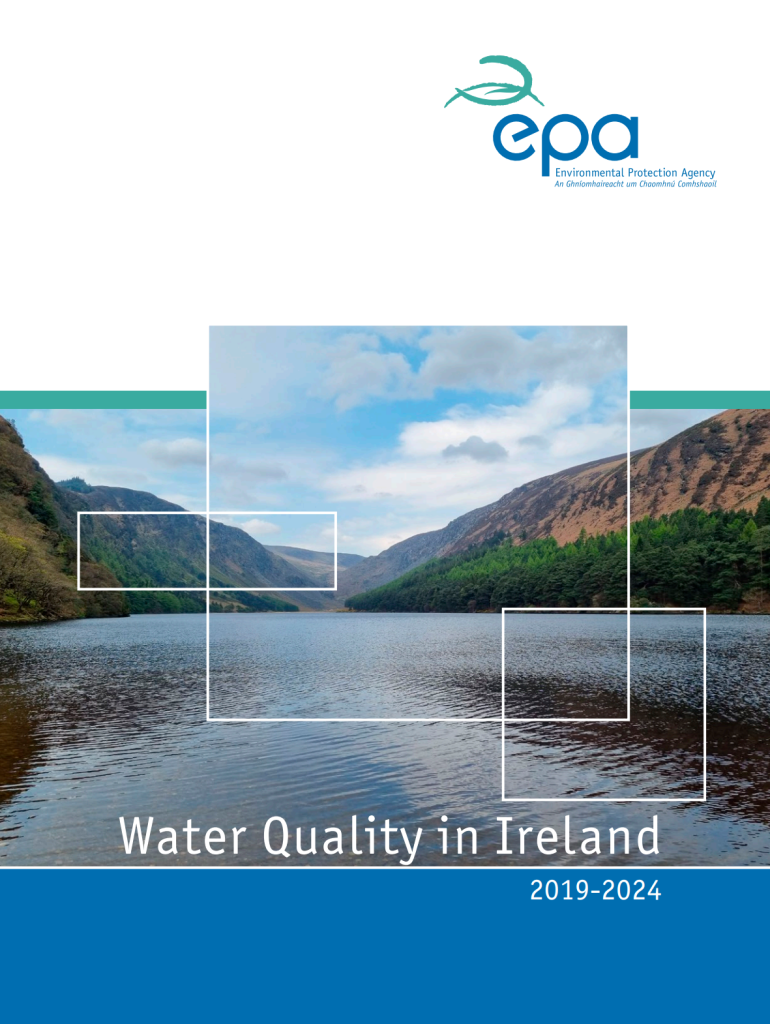
Water Quality in Ireland is continually monitored by the Environmental Protection Agency (EPA), Local Authorities, the Marine Institute, Waterways Ireland and many others, in order to better understand the ecological health of Ireland’s rivers, lakes, canals, groundwaters, estuaries and coastal waters.
Find out more about how we classify water quality in Ireland, along with the latest water quality data collected by the EPA.
We use cookies on our website to give you the most relevant experience by remembering your preferences and repeat visits. By clicking “Accept”, you consent to the use of ALL the cookies. However you may visit Cookie Settings to provide a controlled consent.
This website uses cookies to improve your experience while you navigate through the website. Out of these cookies, the cookies that are categorized as necessary are stored on your browser as they are essential for the working of basic functionalities of the website. We also use third-party cookies that help us analyze and understand how you use this website. These cookies will be stored in your browser only with your consent. You also have the option to opt-out of these cookies. But opting out of some of these cookies may have an effect on your browsing experience.
Necessary cookies are absolutely essential for the website to function properly. This category only includes cookies that ensures basic functionalities and security features of the website. These cookies do not store any personal information.
Any cookies that may not be particularly necessary for the website to function and is used specifically to collect user personal data via analytics, ads, other embedded contents are termed as non-necessary cookies. It is mandatory to procure user consent prior to running these cookies on your website.